
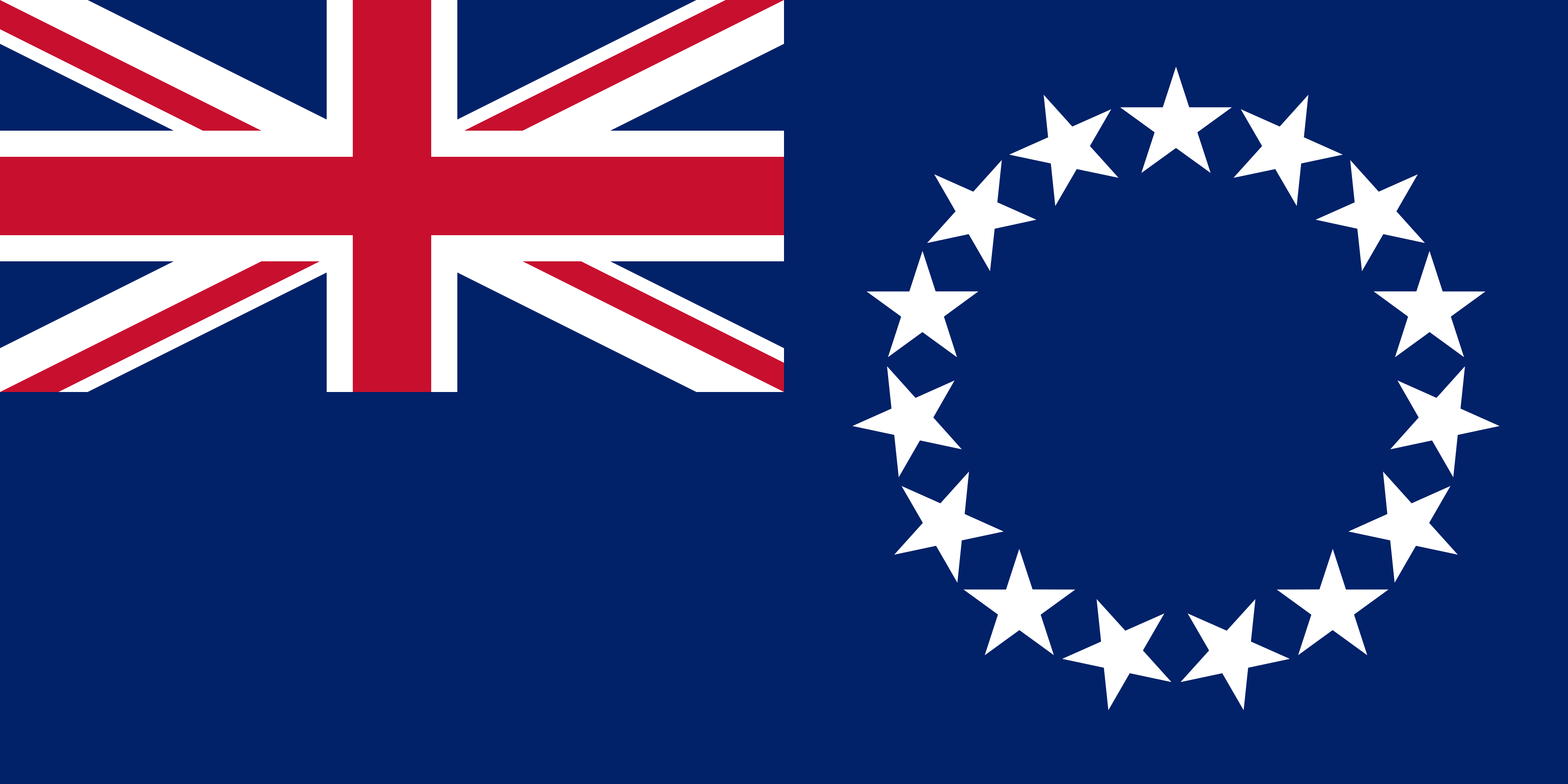
Cook Islands are a group of 15 islands spread across a vast ocean area in the South Pacific, divided into volcanic southern islands and low‑lying northern atolls. Rarotonga is the largest and most populated island, while Aitutaki is famous for its lagoon. Its ecosystems include coral reefs, lagoons, volcanic forests, and mangroves, supporting rich marine biodiversity and endemic bird species. In recent years, the Cook Islands have advanced invasive species management through the endorsement of the National Invasive Species Strategy and Action Plan (NISSAP 2019–2025), aligned with their updated biodiversity strategies and strengthened biosecurity measures.
Countries & Success Stories
Discover how Pacific Island nations are successfully implementing PRISMSS programs to protect their unique ecosystems and build resilience against invasive species threats.
-
-
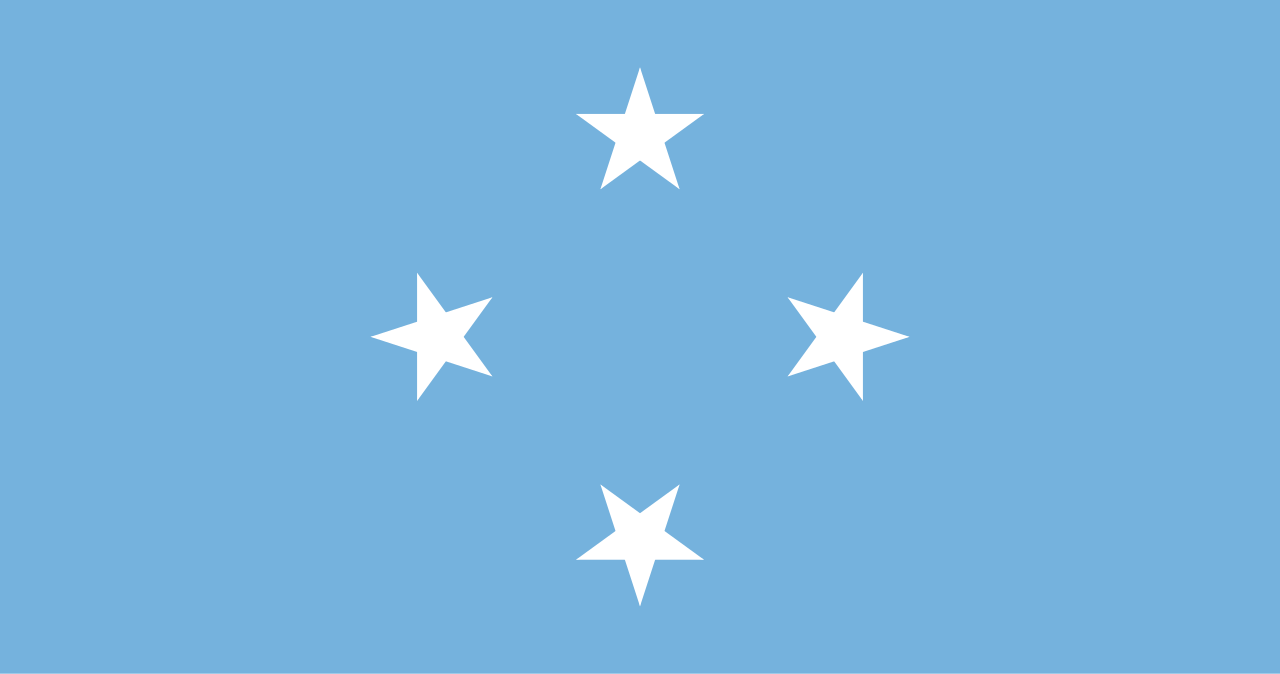
FSM consists of four states: Yap, Chuuk, Pohnpei, and Kosrae Spread across hundreds of islands and atolls in the western Pacific. Its ecosystems include volcanic high islands, dense rainforests, mangroves, and coral reefs. FSM is recognized for its extraordinary marine biodiversity and cultural reliance on natural resources. Invasive species management is guided by the National Invasive Species Strategy and Action Plan-NISSAP (2015), which remains a key framework for biosecurity and biodiversity protection, integrated with the country’s National Biodiversity Strategy and Action Plan (NBSAP).
-
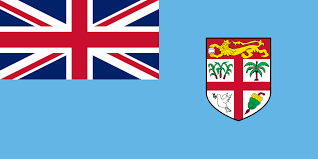
Fiji is an archipelago of more than 330 islands in the South Pacific, dominated by Viti Levu and Vanua Levu, which together hold most of the population and land area. Its ecosystems include tropical forests, mangroves, coral reefs, and fertile coastal plains, making it one of the most biodiverse island nations in Oceania. In recent years, Fiji has advanced its invasive species management through the endorsement of the National Invasive Species Framework Strategy and Action Plan (2026–2030), aligned with its updated National Biodiversity Strategy and Action Plan (NBSAP 2026–2030).
-
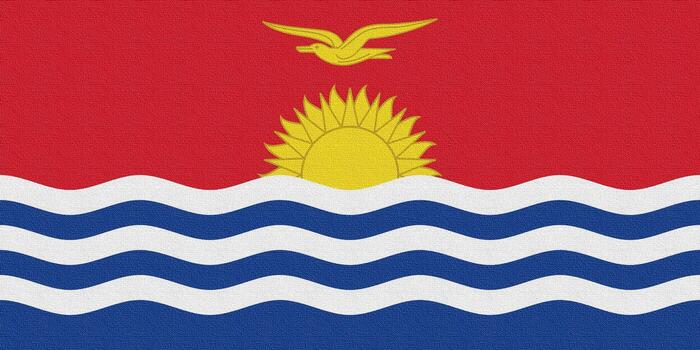
Kiribati is a nation of 33 atolls and reef islands spread across 3.5 million km² of ocean, straddling the equator and the International Date Line and include some of the most remote ecosystems in the Pacific. Its ecosystems consist of coral reefs, lagoons, seagrass beds, and sparse coastal vegetation, which are vital for food security and cultural identity. Kiribati is extremely vulnerable to climate change and sea‑level rise, with many islands averaging only 2–3 m above sea level. Invasive species management has advanced through national biodiversity frameworks and biosecurity measures, with priorities including rat eradication, invasive weed control, and integration with the updated National Biodiversity Strategy and Action Plan (NBSAP).
-
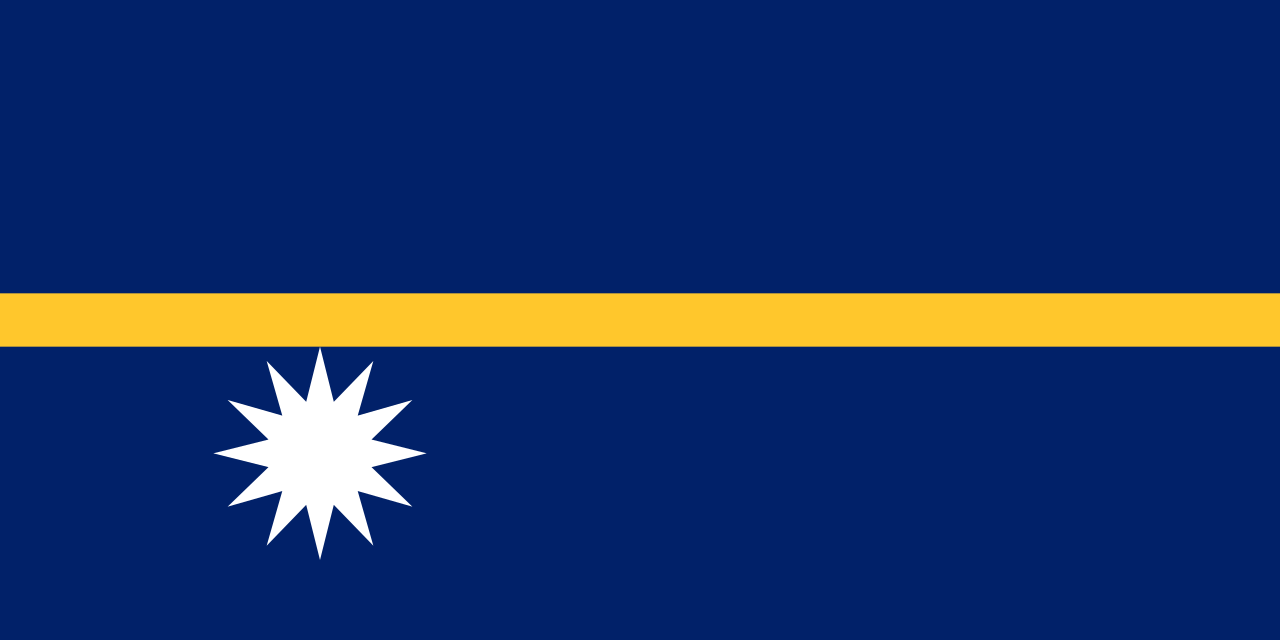
Nauru is a single raised coral island in Micronesia, with a land area of 21 km². Its ecosystems include coastal vegetation, Buada Lagoon, and limited terrestrial biodiversity. Much of the interior has been degraded by phosphate mining. Invasive species management is linked to the National Biodiversity Strategy and Action Plan (NBSAP 2019), which highlights restoration and invasive species control as national priorities.
-
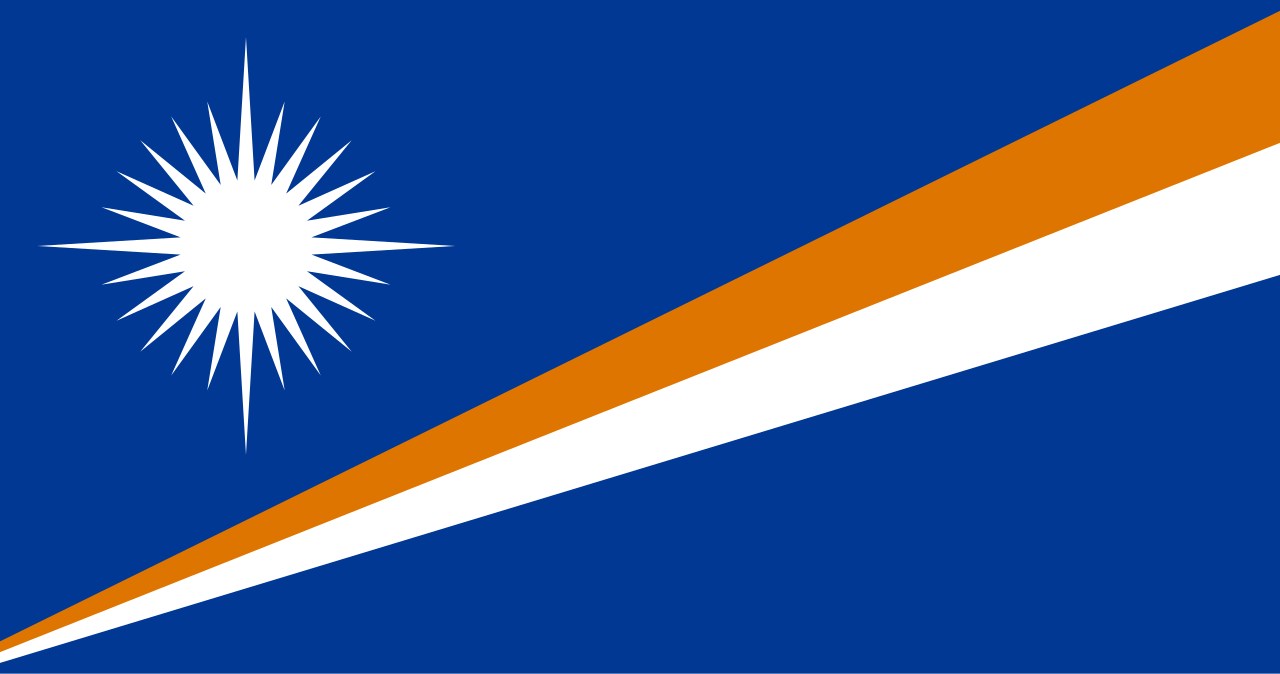
The Republic of Marshall Islands (RMI) consist of 29 atolls and 5 islands spread across 2 million km² of ocean, with a land area of only 181 km². Its ecosystems include coral reefs, lagoons, and coastal vegetation, all highly vulnerable to climate change and sea‑level rise. Invasive species management has progressed through the endorsement of the NISSAP 2021–2029, which provides a long‑term framework for protecting biodiversity and livelihoods, integrated with the country’s updated NBSAP.
-
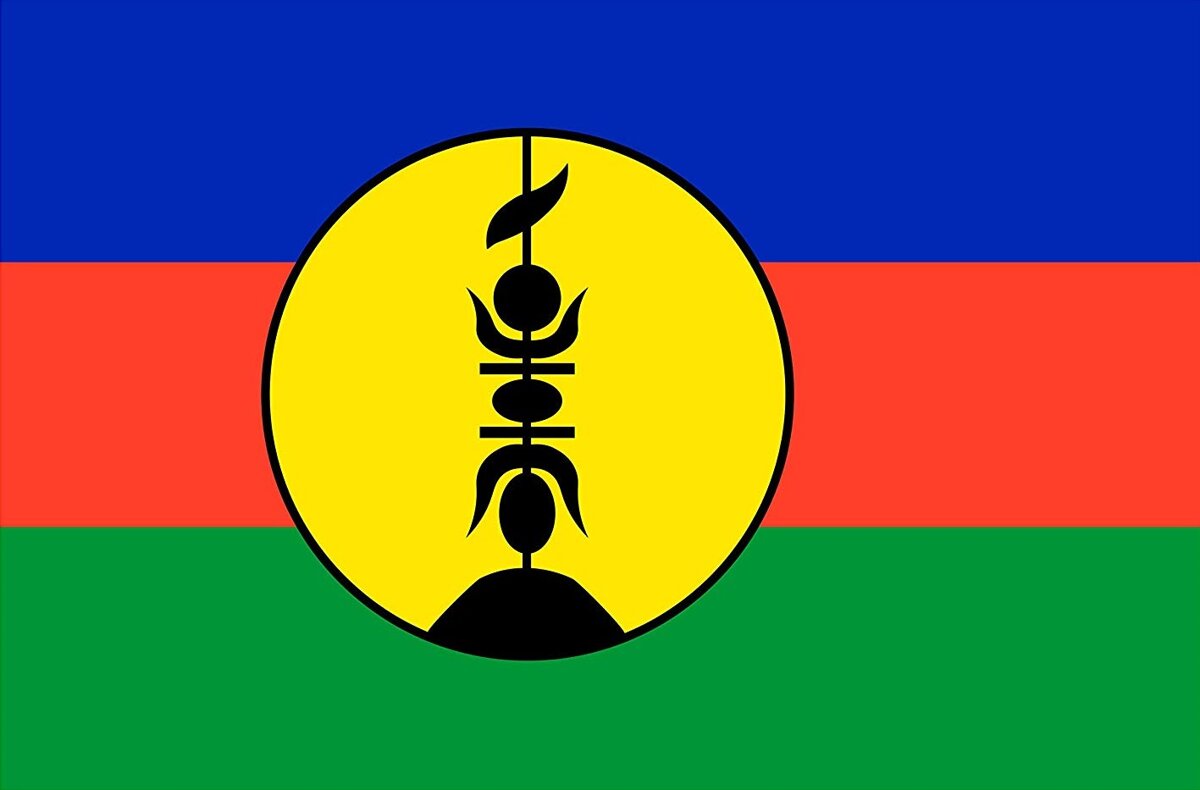
New Caledonia is a French territory in the South Pacific, consisting of the main island of Grande Terre, the Loyalty Islands, and numerous smaller islets. Its ecosystems include tropical forests, savannas, mangroves, and coral reefs. The territory is globally recognized for its extraordinary biodiversity, particularly its high levels of plant endemism. Invasive species management has been guided by an Invasive Alien Species Strategy (2016, updated), which emphasizes prevention, control, and restoration.
-
Niue is a single uplifted coral island in the South Pacific, known for its limestone cliffs, caves, and rugged coastline. With a land area of 261 km², it is one of the world’s largest raised atolls. Its ecosystems include coastal forests, marine habitats, and karst landscapes that host unique flora and fauna. Invasive species management has progressed through the endorsement of the NISSAP 2021–2029, which integrates biosecurity, ecosystem restoration, and community‑based monitoring into national biodiversity priorities.
-
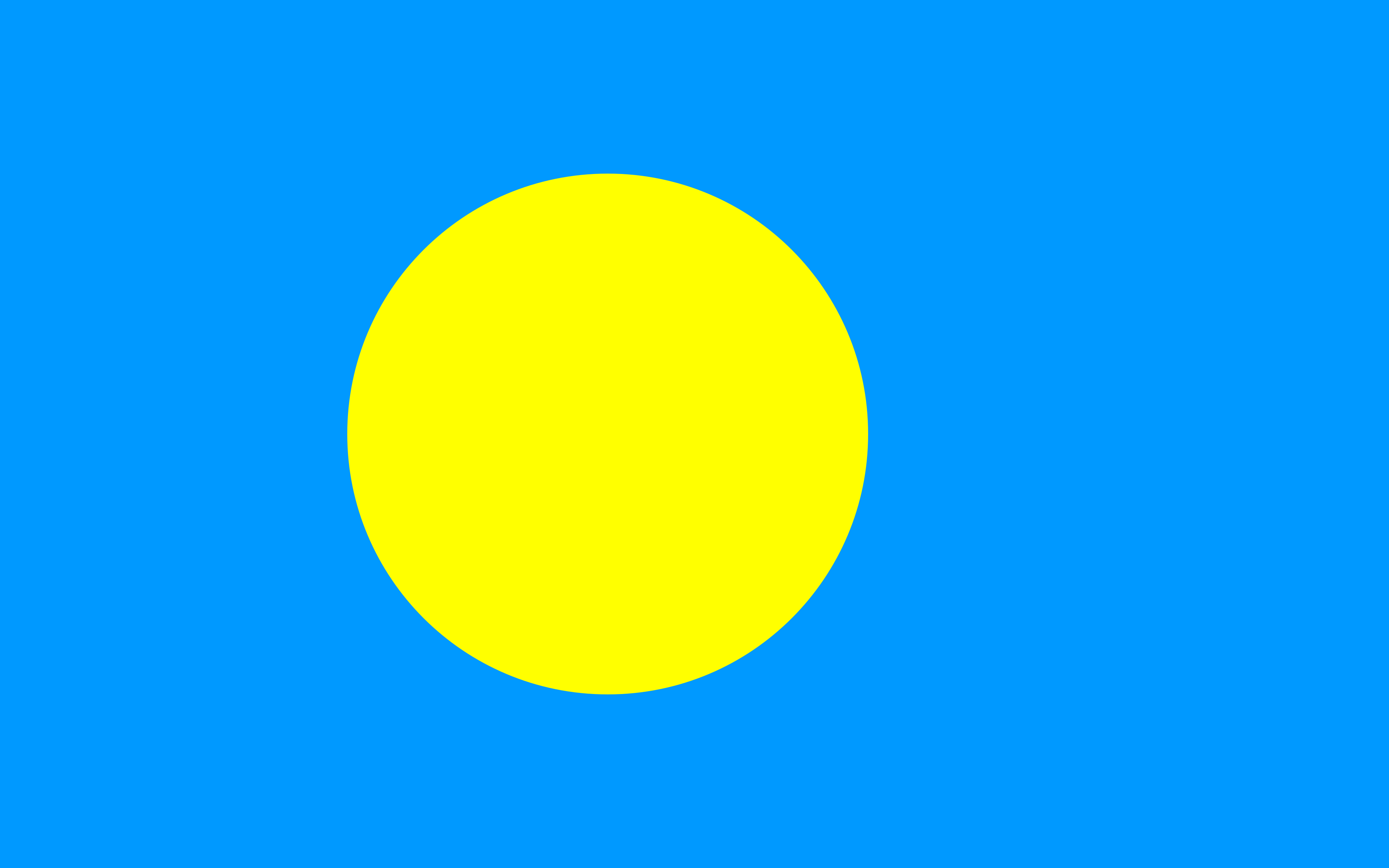
Palau is an archipelago of volcanic and limestone islands in Micronesia, renowned for its pristine marine ecosystems and the UNESCO‑listed Rock Islands Southern Lagoon. Its ecosystems include tropical forests, mangroves, and coral reefs that sustain fisheries and tourism. Palau has advanced invasive species management through the endorsement of the National Invasive Species Strategy (2021), which emphasizes prevention, rapid response, and restoration, aligned with its biodiversity and climate resilience strategies.
-
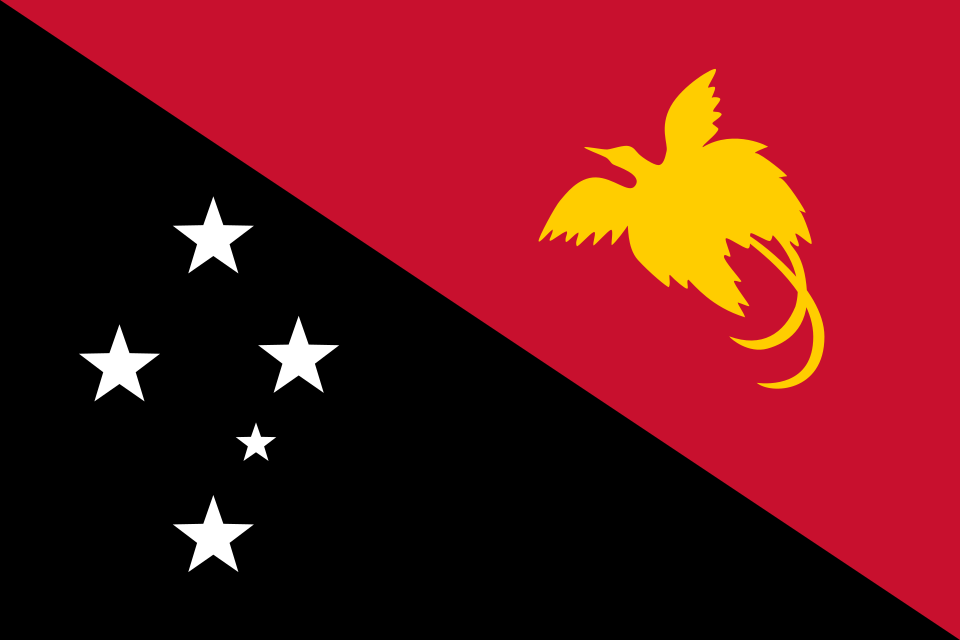
Papua New Guinea is the largest Pacific Island nation, occupying the eastern half of New Guinea and numerous smaller islands. Its geography is diverse, ranging from rugged mountain ranges and highland valleys to extensive rainforests, mangroves, and coral reefs. PNG is one of the most biologically rich countries in the world, with ecosystems that support millions of people through agriculture, fisheries, and forestry. Invasive species management is increasingly recognized as a national priority, with efforts linked to the development of a new National Biodiversity Strategy and Action Plan (NBSAP 2025–2030) and integration into broader environmental governance frameworks.
-
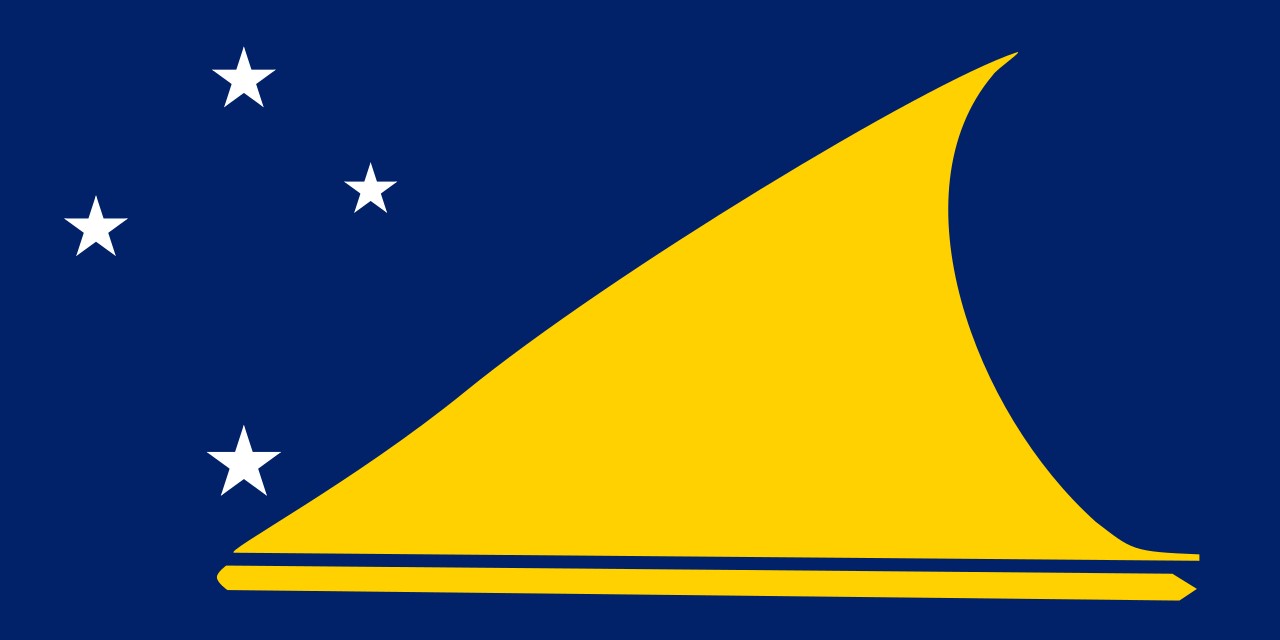
Tokelau is a territory of New Zealand, consisting of three low‑lying atolls, Atafu, Nukunonu, and Fakaofo, with a land area of 12 km². Its ecosystems include coral reefs, lagoons, and coastal vegetation, which are vital for food security and cultural practices. Invasive species management is guided by the Tokelau Invasive Species Strategy and Action Plan (TISSAP 2020–2027), which provides a framework for prevention, eradication, and restoration.
-
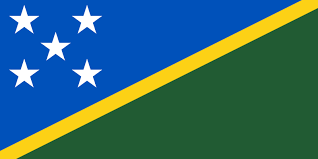
The Solomon Islands are a Melanesian archipelago of volcanic islands and coral atolls, covering nearly 29,000 km² of land and surrounded by one of the world’s richest marine environments. Ecosystems include tropical rainforests, mangroves, and coral reefs, with Marovo Lagoon recognized as the largest saltwater lagoon globally. The country is a biodiversity hotspot within the Coral Triangle. Invasive species management is being strengthened through updates to the National Biodiversity Strategy and Action Plan (NBSAP) and the establishment of a national invasive species database, providing a platform for monitoring and response.
-
Tonga is a Polynesian archipelago of volcanic islands and atolls in the South Pacific. Its ecosystems include tropical forests, mangroves, and coral reefs, all of which are central to food security and cultural identity. Invasive species management has been strengthened through the endorsement of the National Invasive Species Strategy and Action Plan (NISSAP) 2021–2027, which provides a national roadmap for prevention and control.
-
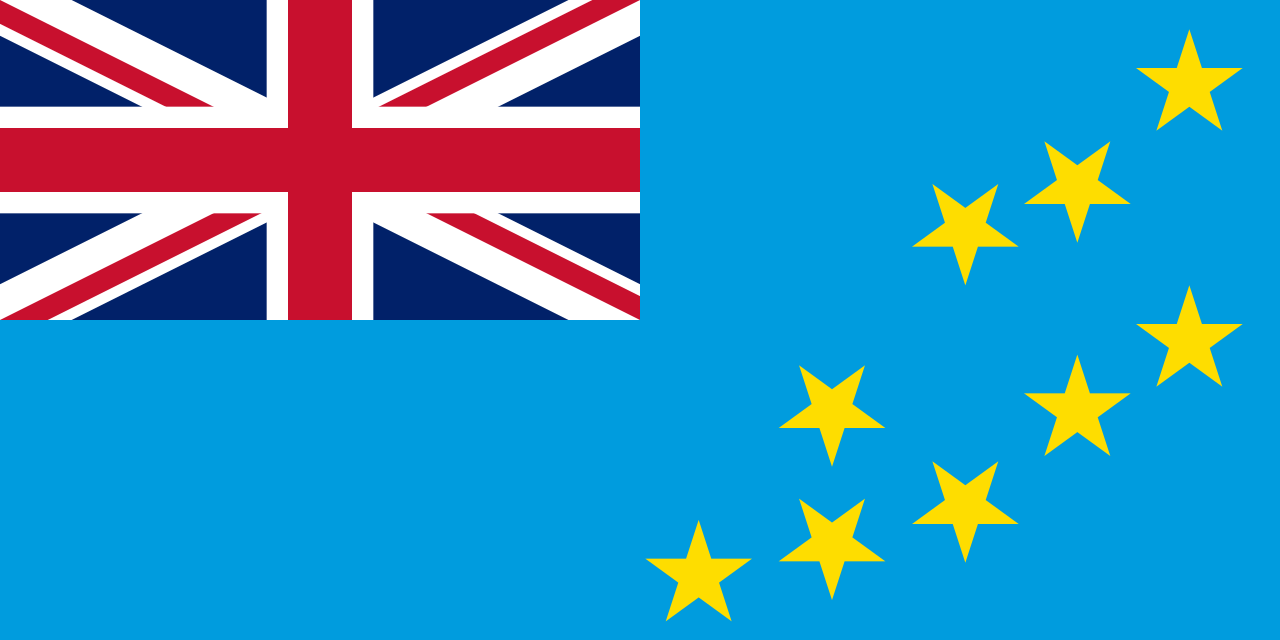
Tuvalu is a nation of nine low‑lying atolls and reef islands, with a land area of just 26 km² and an average elevation of 4–5 m above sea level. Its ecosystems include coral reefs, lagoons, and coastal vegetation, which are critical for food security and cultural practices. Tuvalu has advanced invasive species management through the endorsement of the NISSAP 2022–2027, which integrates biosecurity and ecosystem restoration into national biodiversity priorities.
-
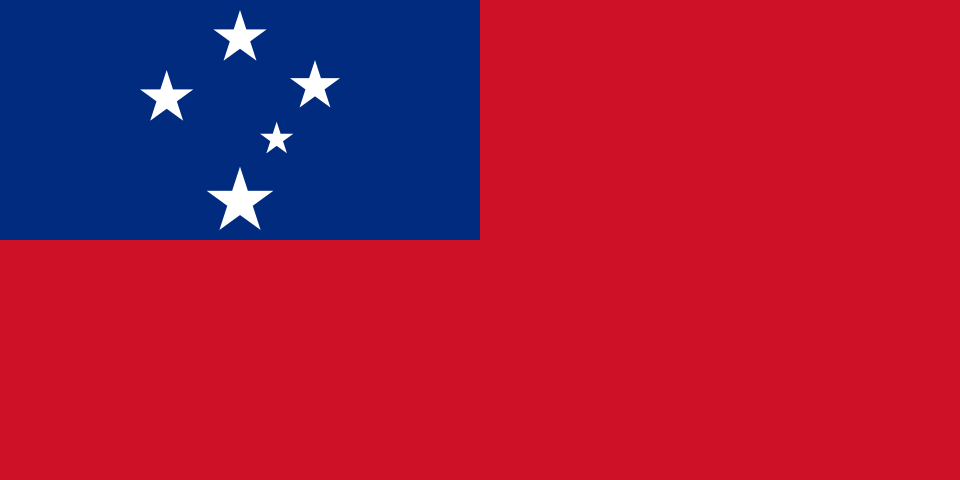
Samoa is made up of two main islands, Upolu and Savai’i, along with several smaller islets. Its landscapes range from volcanic highlands and dense tropical forests to mangrove swamps and coral reefs. These ecosystems are central to Samoan culture and livelihoods, supporting agriculture, fisheries, and tourism. Invasive species management has progressed through the creation of the Samoa National Invasive Species Task Team (SNITT) and the launch of the Samoa IAS Information System (2026), which provides a coordinated platform for data and monitoring.
-
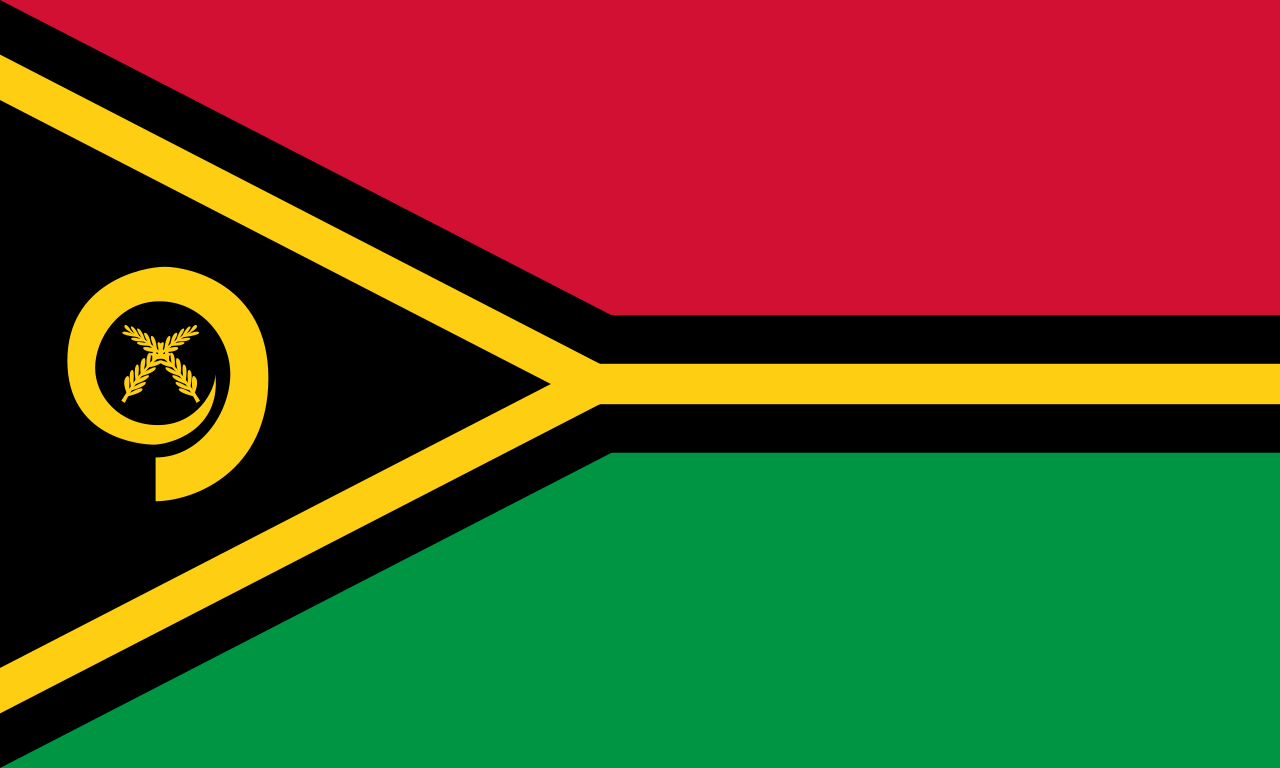
Vanuatu is an archipelago of 83 islands, characterized by volcanic landscapes, tropical forests, and extensive coral reefs. Its ecosystems range from highland cloud forests to mangroves and seagrass beds, supporting high levels of endemism. Invasive species management has advanced through the endorsement of a National Invasive Species Strategy and Action Plan (NISSAP), integrated with Vanuatu’s biodiversity and climate resilience strategies. Ranger‑led programmes and community engagement are central to implementation, linking national policy with local action.
-
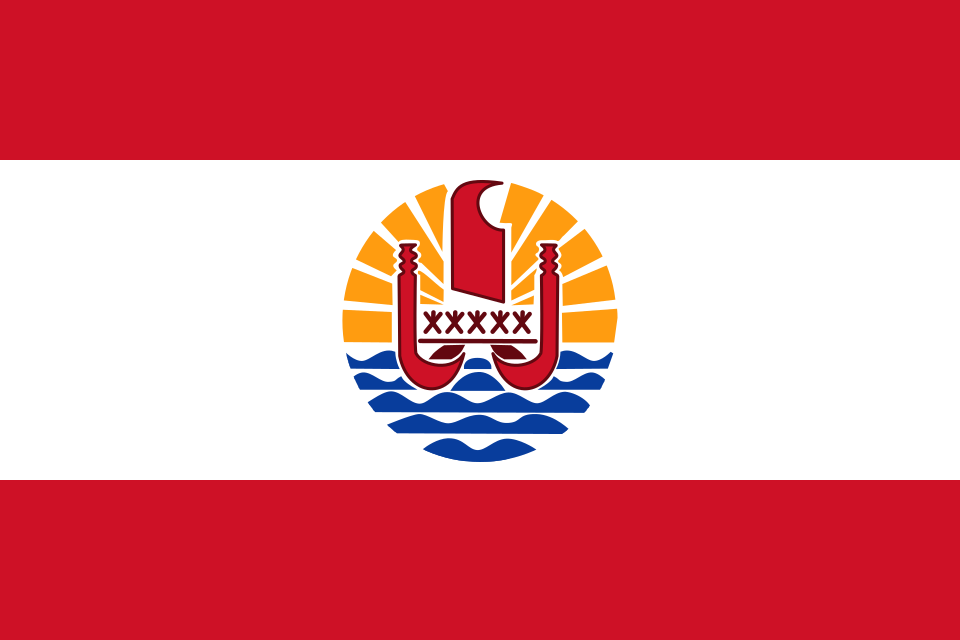
French Polynesia is a French overseas collectivity in the South Pacific, comprising 118 islands and atolls grouped into five archipelagos: Society Islands, Tuamotu, Gambier, Marquesas, and Austral Islands. Tahiti, in the Society Islands, is the largest and most populated. Its ecosystems include tropical forests, lagoons, coral reefs, and high volcanic peaks, supporting rich biodiversity and cultural heritage. In recent years, French Polynesia has advanced invasive species management through the development of a National Invasive Species Strategy and Action Plan (NISSAP, 2025–2030), aligned with its updated National Biodiversity Strategy and Action Plan (NBSAP 2026–2030) under the Kunming–Montreal Global Biodiversity Framework.
-
Since 2015Invasive Plant Eradication Achievement
Through the War on Weeds program, Samoa has achieved remarkable success in controlling invasive plant species, with community-led initiatives removing over 500 hectares of invasive vegetation. -
Since 2018Community-Based Conservation Success
Cook Islands has pioneered community-based conservation approaches, with local communities taking ownership of invasive species management and ecosystem restoration efforts.




PRISMSS Powered by

PRISMSS Partners
