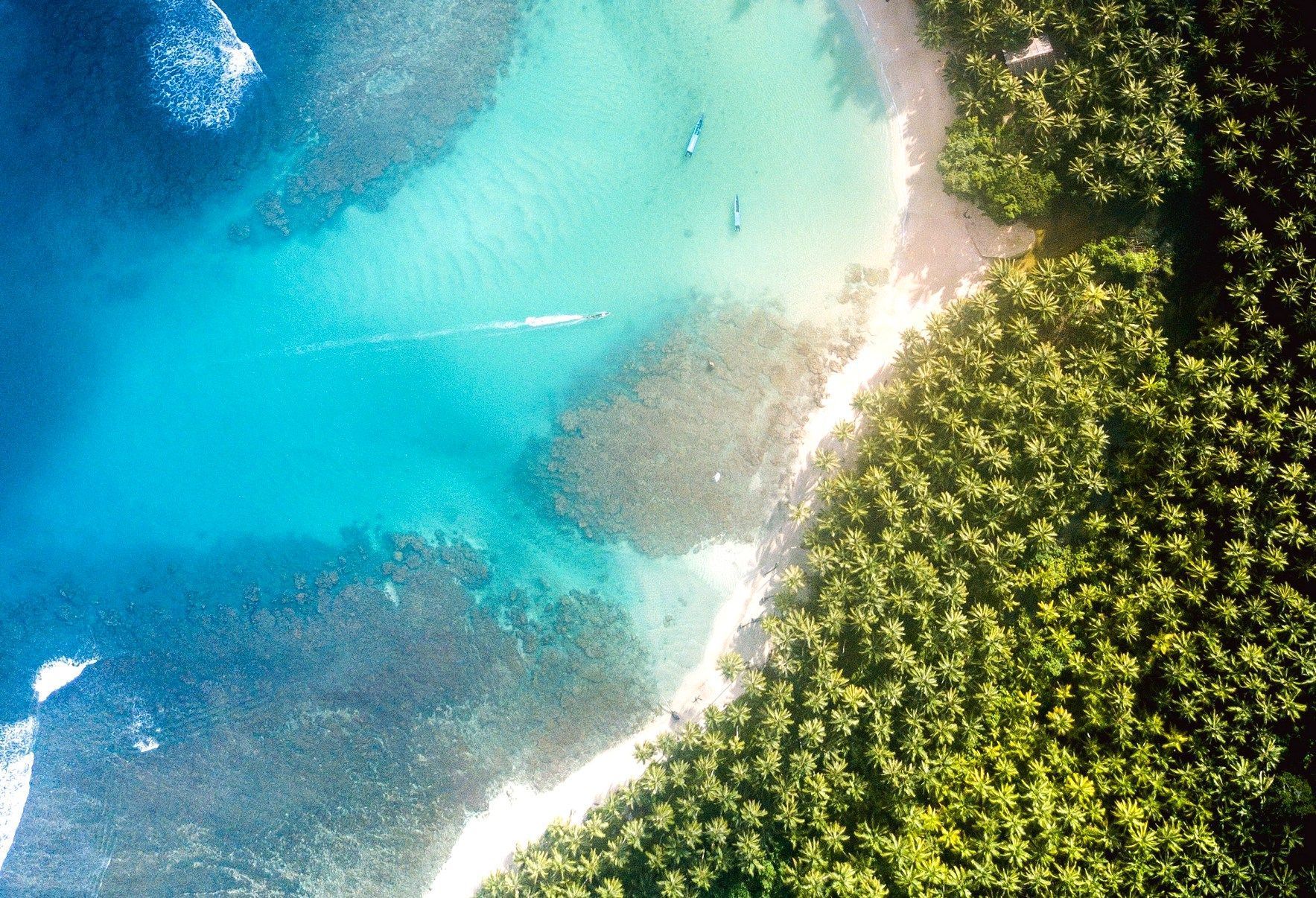

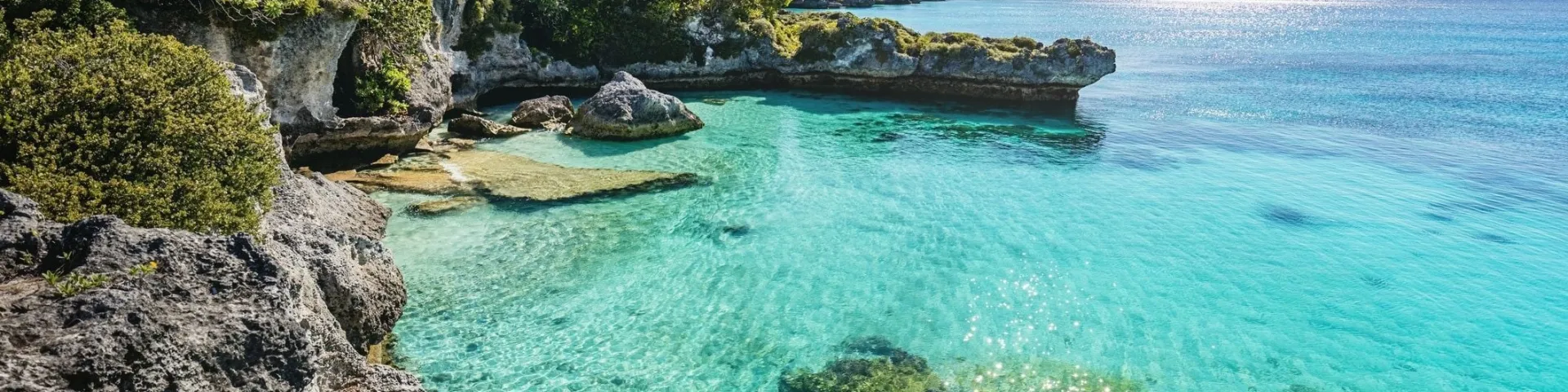
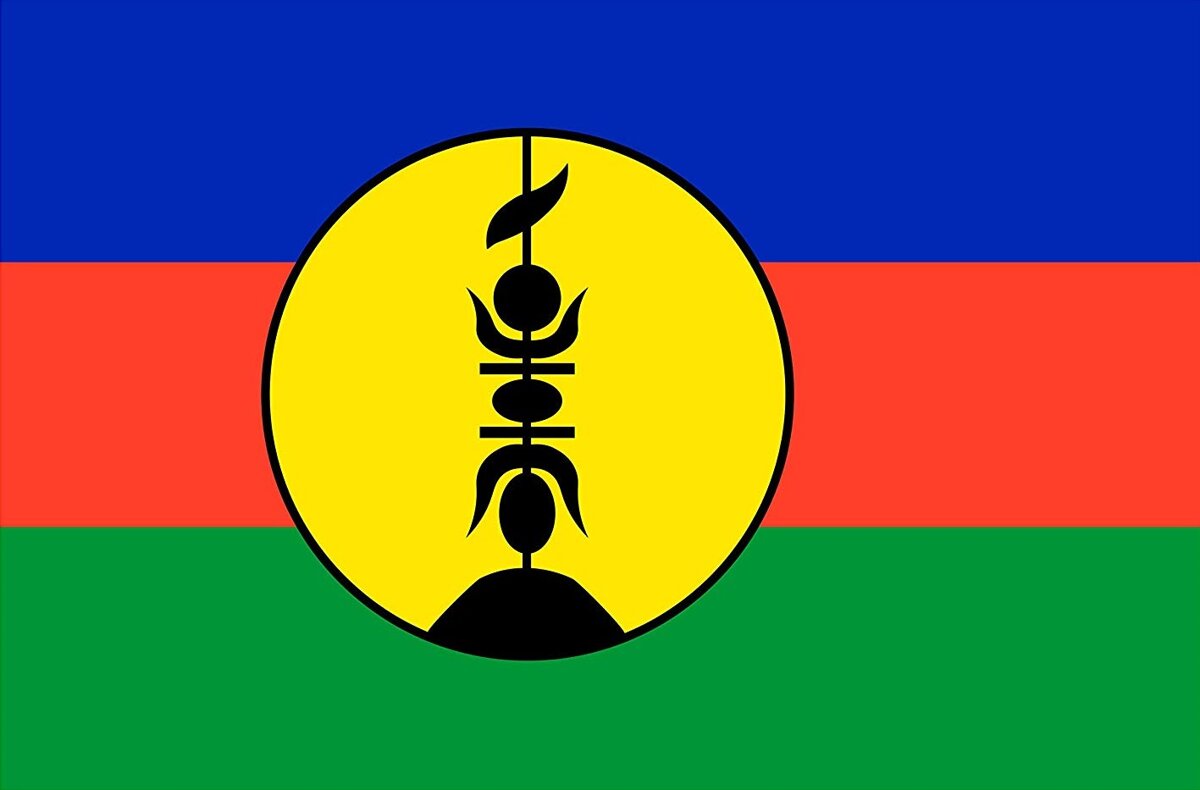
New Caledonia is a French territory in the South Pacific, consisting of the main island of Grande Terre, the Loyalty Islands, and numerous smaller islets. Its ecosystems include tropical forests, savannas, mangroves, and coral reefs. The territory is globally recognized for its extraordinary biodiversity, particularly its high levels of plant endemism. Invasive species management has been guided by an Invasive Alien Species Strategy (2016, updated), which emphasizes prevention, control, and restoration.
Overview
Biodiversity Status
New Caledonia is one of the world’s biodiversity hotspots, with over 3,000 plant species, many of which are endemic. Coral reefs are among the largest in the world, supporting fisheries and tourism. Forests and savannas provide habitat for unique reptiles, birds, and invertebrates.
Invasive Species Threats
Introduced deer and pigs degrade forests and agricultural lands. Invasive plants such as African tulip tree and Merremia peltata threaten native vegetation. Rats and feral cats’ prey on native birds and reptiles.
National Strategies & Plans
The IAS Strategy (2016, updated) provides a framework for prevention, eradication, and restoration. Integrated with biodiversity conservation policies and climate adaptation strategies. Strong emphasis on community involvement and scientific research to guide management.