

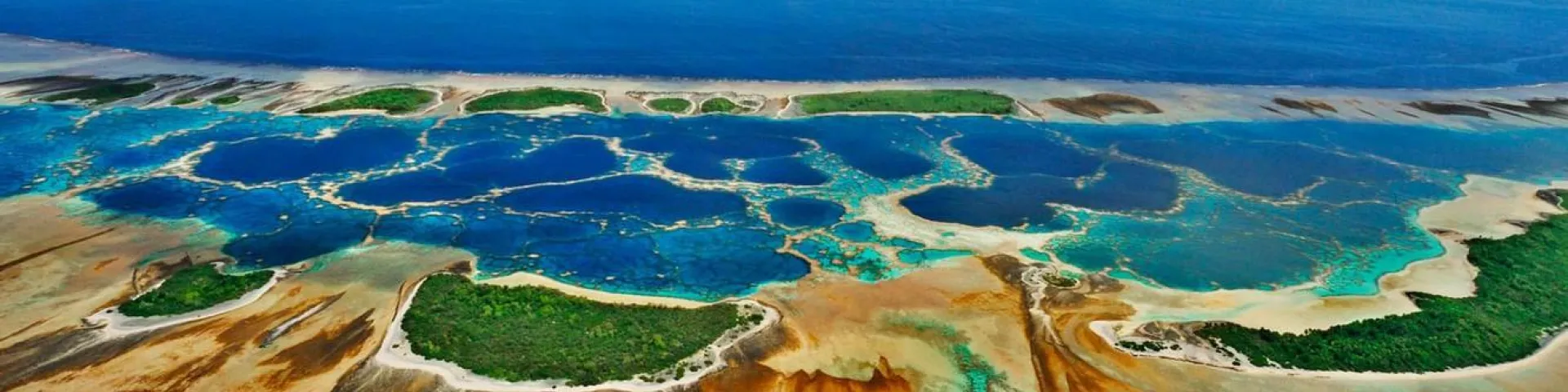
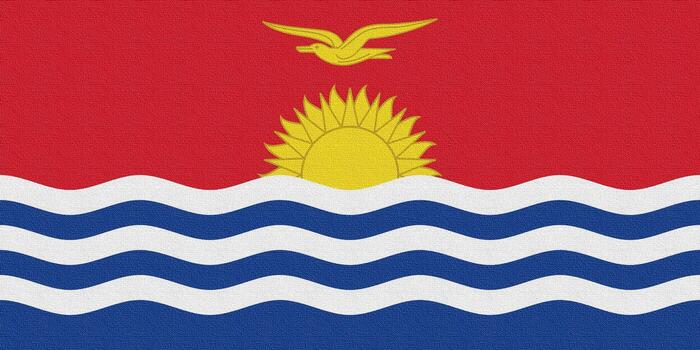
Kiribati is a nation of 33 atolls and reef islands spread across 3.5 million km² of ocean, straddling the equator and the International Date Line and include some of the most remote ecosystems in the Pacific. Its ecosystems consist of coral reefs, lagoons, seagrass beds, and sparse coastal vegetation, which are vital for food security and cultural identity. Kiribati is extremely vulnerable to climate change and sea‑level rise, with many islands averaging only 2–3 m above sea level. Invasive species management has advanced through national biodiversity frameworks and biosecurity measures, with priorities including rat eradication, invasive weed control, and integration with the updated National Biodiversity Strategy and Action Plan (NBSAP).
Overview
Biodiversity Status
Coral reefs and lagoons sustain fisheries and protect coastlines. Seabird colonies and marine species highlight ecological importance. Terrestrial biodiversity is limited but culturally significant.
Invasive Species Threats
Rats and feral cats’ prey on seabirds and reptiles. Invasive weeds such as Mikania micrantha threaten limited vegetation. Agricultural pests impact coconut palms and food security.
National Strategies & Plans
The updated NBSAP integrates invasive species management into national biodiversity priorities. Biosecurity measures focus on preventing new incursions. Community based initiatives support monitoring and control.

