

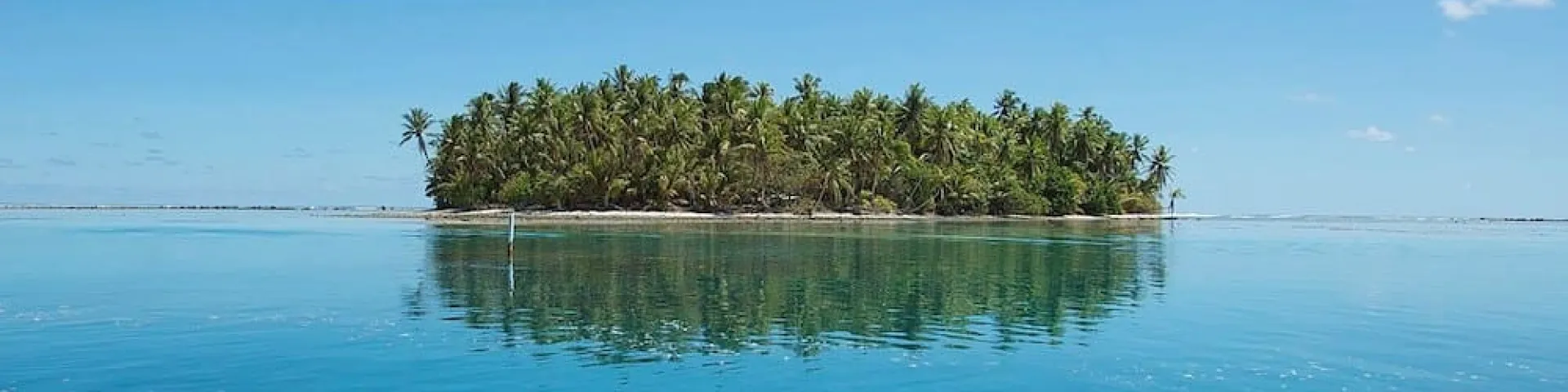

Tokelau is a territory of New Zealand, consisting of three low‑lying atolls, Atafu, Nukunonu, and Fakaofo, with a land area of 12 km². Its ecosystems include coral reefs, lagoons, and coastal vegetation, which are vital for food security and cultural practices. Invasive species management is guided by the Tokelau Invasive Species Strategy and Action Plan (TISSAP 2020–2027), which provides a framework for prevention, eradication, and restoration.
Overview
Biodiversity Status
Marine biodiversity is critical for food security and cultural practices, with reefs sustaining fisheries and coastal protection. Terrestrial biodiversity is limited but includes important coastal vegetation and seabird populations. Biodiversity is closely tied to subsistence livelihoods and traditional resource use.
Invasive Species Threats
Rats and feral cats’ prey on seabirds and reptiles, reducing populations on small islets. Invasive weeds such as Merremia peltata threaten limited terrestrial vegetation. Agricultural pests, including coconut rhinoceros beetle, impact coconut palms and food security.
National Strategies & Plans
The TISSAP 2020–2027 provides national priorities for prevention, eradication, and restoration. Integrated with Tokelau’s biodiversity conservation strategies. Strong emphasis on biosecurity and community involvement to safeguard fragile ecosystems.

