

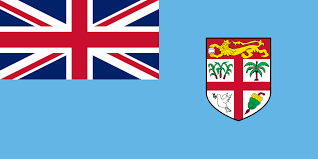
Fiji is an archipelago of more than 330 islands in the South Pacific, dominated by Viti Levu and Vanua Levu, which together hold most of the population and land area. Its ecosystems include tropical forests, mangroves, coral reefs, and fertile coastal plains, making it one of the most biodiverse island nations in Oceania. In recent years, Fiji has advanced its invasive species management through the endorsement of the National Invasive Species Framework Strategy and Action Plan (2026–2030), aligned with its updated National Biodiversity Strategy and Action Plan (NBSAP 2026–2030).
Vue d'ensemble
Biodiversity Status
Fiji hosts high levels of endemism, including unique bird species (e.g., Fiji parrotfinch, pink-billed parrotfinch). Biodiversity underpins livelihoods through agriculture, fisheries, and tourism. Coral reefs are globally significant, supporting fisheries and coastal protection. Protected areas include terrestrial reserves and marine parks, though coverage remains limited.
Invasive Species Threats
Plants: Mikania micrantha (“mile-a-minute weed”), Merremia peltata, African tulip tree. Vertebrates: Rats, mongooses, feral cats, pigs. Invertebrates: Coconut rhinoceros beetle, little fire ant. Impacts: forest degradation, crop loss, coral reef damage, and threats to endemic species.
National Strategies & Plans
Fiji has a National Invasive Species Framework Strategy and Action Plan (2026–2030), endorsed by government. Integrated with Fiji’s National Biodiversity Strategy and Action Plan (NBSAP 2026–2030). Lead agencies: Ministry of Environment, Biosecurity Authority of Fiji, and NGOs. Focus areas: biosecurity, eradication programs, ecosystem restoration, and community awareness.

