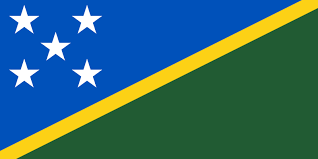
The Solomon Islands are a Melanesian archipelago of volcanic islands and coral atolls, covering nearly 29,000 km² of land and surrounded by one of the world’s richest marine environments. Ecosystems include tropical rainforests, mangroves, and coral reefs, with Marovo Lagoon recognized as the largest saltwater lagoon globally. The country is a biodiversity hotspot within the Coral Triangle. Invasive species management is being strengthened through updates to the National Biodiversity Strategy and Action Plan (NBSAP) and the establishment of a national invasive species database, providing a platform for monitoring and response.
Vue d'ensemble
Biodiversity Status
High levels of endemism, particularly in birds and plants. Coral reefs and mangroves sustain fisheries and protect coastlines. Forests provide timber, food, and water catchment services.
Invasive Species Threats
Rats and feral cats’ prey on native birds and reptiles. Invasive weeds such as Mikania and Merremia degrade forests and agriculture. Coconut rhinoceros beetle and little fire ant cause widespread damage to crop and ecosystems.
National Strategies & Plans
The NBSAP is under review (2025) to integrate invasive species priorities. The invasive species database provides a national platform for monitoring and response. Partnerships with regional agencies strengthen biosecurity and capacity building.

