
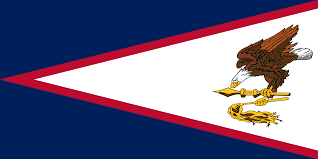
American Samoa is an unincorporated territory of the United States, consisting of five volcanic islands (Tutuila, Aunu’u, Ofu, Olosega, and Ta’u) and two coral atolls (Swains and Rose Atoll). The islands are mountainous, with Tutuila hosting Pago Pago Harbor, one of the largest natural harbors in the Pacific. Ecosystems include tropical rainforests, mangroves, coral reefs, and coastal wetlands, supporting high biodiversity and endemic species. Invasive species management has progressed through U.S. federal and territorial initiatives, including the American Samoa Invasive Species Action Plan, which emphasizes biosecurity, invasive plant control, and reef protection.
Vue d'ensemble
Biodiversity Status
Tropical rainforests host endemic birds and plants. Coral reefs and mangroves sustain fisheries and protect coastlines. Wetlands and coastal ecosystems provide storm resilience.
Invasive Species Threats
Invasive plants such as Merremia peltata and Mikania micrantha smother native vegetation. Rats and feral cats’ prey on native birds and reptiles. Agricultural pests impact crops and livelihoods.
National Strategies & Plans
The American Samoa Invasive Species Action Plan provides a framework for prevention, eradication, and restoration. Integrated with U.S. federal biodiversity and conservation strategies. Strong emphasis on biosecurity and community involvement.

